




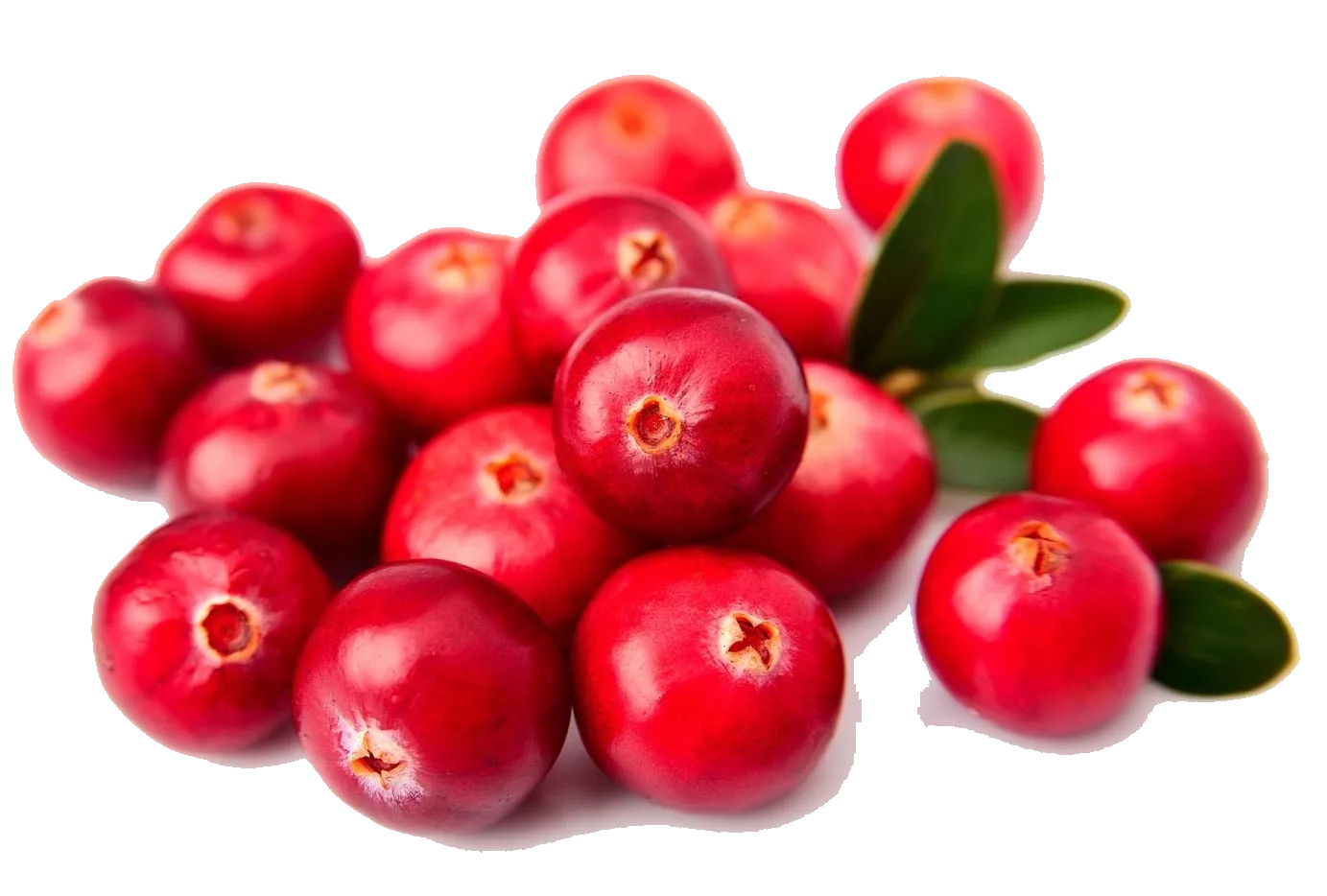
Cranberries are delicious, bright red berries. Their tangy, refreshing flavor adds a delightful touch to many dishes and beverages. In this presentation, we’ll explore the origins, health benefits, seasonal availability, and various culinary uses of cranberries.
Origins of Cranberries
Cranberries are native to North America, where they have been cultivated for centuries by Native Americans. These small berries grow on perennial plants called "Vaccinium macrocarpon," which are typically found in wet, marshy areas. Cranberries have grown in popularity over the years, becoming a staple of modern cuisine.
Health Benefits of Cranberries
Cranberries are renowned for their many health benefits. They are rich in antioxidants, vitamin C, and fiber. The antioxidants in cranberries help protect the body against damage caused by free radicals, thereby helping to strengthen the immune system and prevent certain diseases. Additionally, cranberries are known for their antibacterial properties, which can be beneficial for oral health.
Cranberry Seasonality
Cranberries are primarily harvested in the fall, between September and November, in temperate regions. The cranberry season is therefore relatively short, but these fruits can be preserved as juice, compotes, or jams to be enjoyed year-round. Some stores also offer frozen cranberries, which can be used in the same way as fresh cranberries.
Culinary Uses of Cranberries
Cranberries can be used in various ways in cooking. They are often used to make sweet-and-sour sauces, which pair perfectly with meats and poultry. Cranberries can also be added to salads, muffins, cookies, breads, or smoothies to add a tangy and colorful touch. Their unique flavor also pairs very well with desserts, such as pies, crumbles, or cakes.
Pour aller plus loin, venez découvrir de délicieuses recettes concoctées par les gourmets du site, et qui mettent les canneberges à l’honneur !











Follow us on social media