
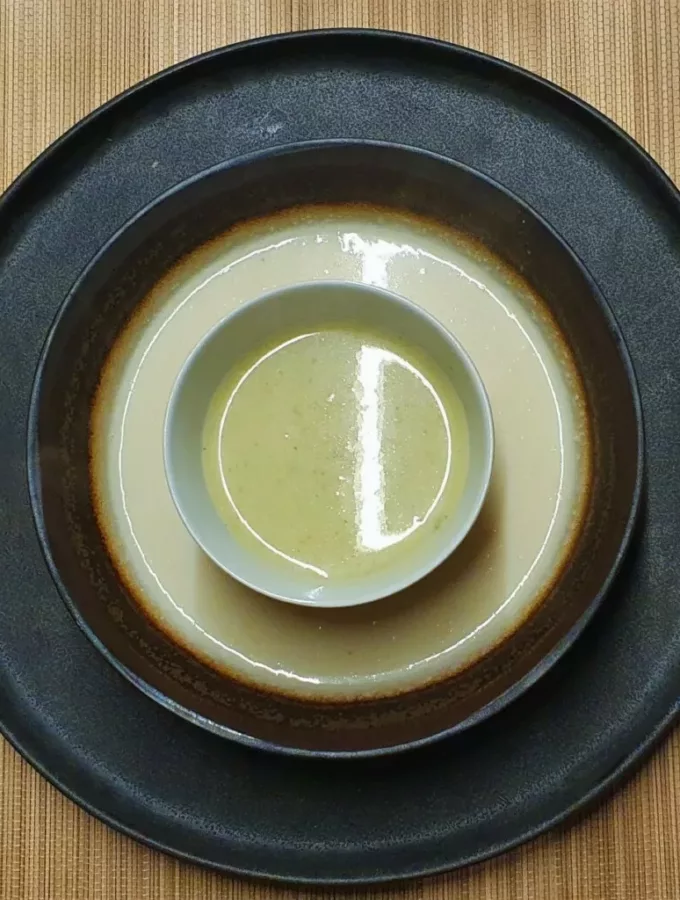
Here’s my recipe for a duo of cream of cauliflower and broccoli soups, flavored with galangal. I learned how to make this dish during a cooking class. It has since become one of my go-to recipes for ...
End of content
End of content

For 100g of galangal:
Here you’ll find all the recipes published by our food experts that feature galangal as an ingredient.
Still relatively unknown in Western kitchens, galangal is a staple root in Southeast Asian cuisines, particularly Thai, Indonesian, and Malaysian.
A cousin of ginger and turmeric, it stands out for its fresher, lemony, slightly peppery, and resinous flavor. This distinctive taste lends a unique character to soups, curries, broths, and stir-fries.
Used fresh, dried, or in powder form, galangal enhances dishes without overpowering them, offering a subtle and elegant aromatic warmth.
Beyond its culinary appeal, galangal has been associated with medicinal and symbolic traditions for centuries. A digestive aid, tonic, and warming agent, it is reputed to stimulate vital energy in many Asian cultures. And it is precisely this invigorating effect that has long earned it a reputation as an aphrodisiac.
Often confused due to their similar appearance, galangal and ginger nevertheless offer very different flavor profiles.
Ginger is spicier, warmer, and more lemony, with a bold initial flavor that immediately awakens the palate. It is used in both savory and sweet dishes, as well as in herbal teas, desserts, and beverages.
Galangal, on the other hand, is more subtle, woodier, slightly medicinal, and resinous, with a more refined and less aggressive warmth.
We therefore recommend ginger for its punch and versatility, and galangal for its aromatic finesse, particularly in Asian soups, Thai curries, fragrant broths, and dishes deeply rooted in Southeast Asian traditions.
We could sum it up like this: "Ginger stimulates, galangal enchants"😉
In certain folk traditions, galangal is said to be particularly beneficial for female desire, promoting blood circulation, body heat, and vitality.
It is sometimes found in so-called “revitalizing” preparations, infusions, or even recipes designed to stimulate the senses. Its spicy, warm, and slightly camphor-like scent is also said to contribute to this sensual aura.
However, it is important to note that these aphrodisiac properties are primarily based on traditional knowledge and have not been formally validated by science.
Like many spices, galangal acts primarily as a general stimulant, capable of awakening the senses, improving digestion, and warming the body. These are all factors that, indirectly, can promote well-being and receptivity...
Here’s my recipe for a duo of cream of cauliflower and broccoli soups, flavored with galangal. I learned how to make this dish during a cooking class. It has since become one of my go-to recipes for ...
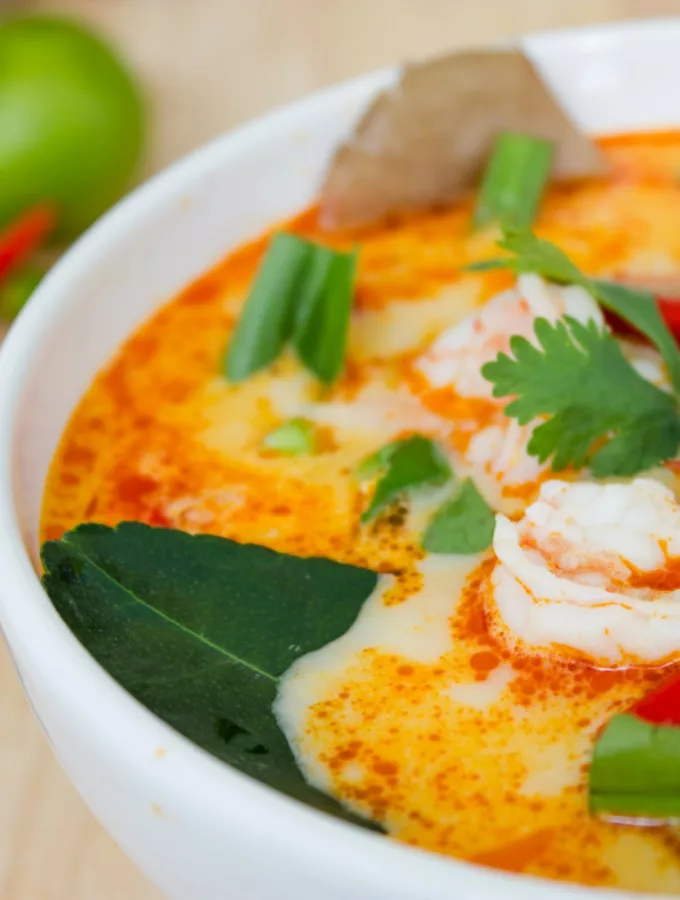
Here’s my go-to recipe for Thai shrimp soup, also known as Tom Yum Goong. I made this soup for the first time in Bangkok during a cooking class, and I was amazed that I could create this explosion of ...
End of content
End of content

Follow us on social media