




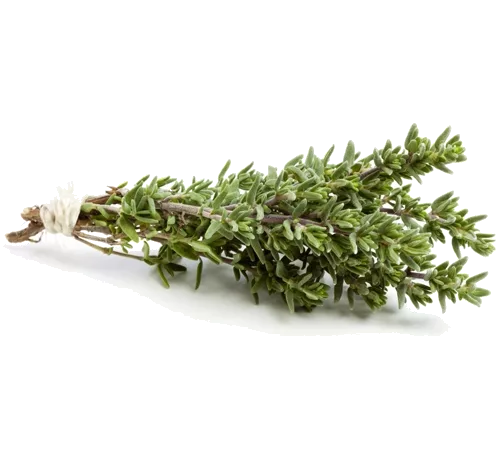
Thyme is a popular aromatic herb that has been used in cooking for centuries for its flavor and health benefits. With its strong aroma and wide range of culinary uses, it has become a staple in many recipes around the world.
Origins of Thyme
Thyme, also known by its scientific name Thymus vulgaris, is native to the Mediterranean region. It grows naturally in rocky, sunny soil, which explains why it is so widespread in Mediterranean regions. Today, it is also cultivated in many other countries.
Nutritional Value and Health Benefits
Thyme is an excellent source of antioxidants and vitamins, including vitamin C, vitamin A, and vitamin K. It also contains minerals such as calcium, iron, and manganese. In addition to its nutritional benefits, thyme is known for its antiseptic, antibacterial, and antifungal properties.
Season and Storage
Thyme is available year-round, but its flavor is most intense during the summer months. It is best stored in the refrigerator, wrapped in a damp cloth or in a perforated plastic bag. Thyme can also be dried for later use.
Culinary Uses
Thyme is used in many ways in cooking. Its leaves are typically added to stews, sauces, marinades, soups, and roasts to add flavor. It pairs particularly well with meats, vegetables, and potatoes. Chefs also use fresh thyme as a garnish for certain dishes.
In addition to its culinary uses, thyme is also used in the production of herbal teas and essential oils.
In conclusion, thyme is a versatile and flavorful herb that has been used in cooking for centuries. Its Mediterranean origins, nutritional profile, and wide range of uses make it a valuable ingredient in many recipes. So don’t hesitate to add a touch of thyme to your dishes to enhance the flavors and enjoy its health benefits.
Pour aller plus loin, venez découvrir de délicieuses recettes concoctées par les gourmets du site, et qui utilisent le thym !










Follow us on social media