




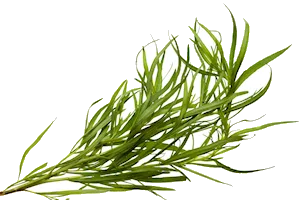
Tarragon is a perennial herbaceous plant belonging to the Asteraceae family. Its scientific name is Artemisia dracunculus. It is widely used in cooking for its aromatic qualities and health benefits. In this article, we will explore the origins of tarragon, its nutritional properties, the season in which it is available, and its various culinary uses.
Origins of Tarragon
Tarragon is native to Europe and Central Asia. It is widely cultivated around the world, primarily in Russia, France, Germany, and North America. It has been known since ancient times and has been used for culinary and medicinal purposes in many cultures.
Nutritional benefits of tarragon
Tarragon is a source of vitamins (A, B6, C, and K) and minerals (calcium, iron, magnesium, and potassium). It is also rich in antioxidants, particularly flavonoids, which help fight inflammation and protect against cardiovascular disease.
Tarragon Season
Fresh tarragon is generally available during the summer months, from June to September. It can be grown in pots indoors year-round, allowing you to have it on hand in all seasons. However, it is important to note that the flavor of tarragon varies depending on the season, with fresh leaves generally being more aromatic.
Culinary Uses
Tarragon is primarily used as a culinary herb in many dishes, particularly in French cuisine. It is often used in sauces, vinaigrettes, marinades, and dishes featuring meat, poultry, fish, and vegetables. Its unique flavor, which is both sweet and slightly bitter, adds a touch of freshness and flavor to a variety of recipes.
In conclusion, tarragon is a versatile herb that brings a distinctive flavor to many dishes. With its health benefits and seasonal availability, it is an excellent choice to enhance your recipes and tantalize your taste buds. Don’t hesitate to experiment with it and incorporate it into your recipes!











Follow us on social media