




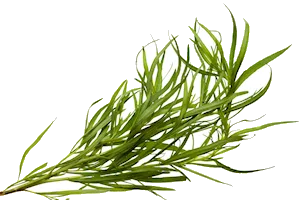
Tarragon in Cooking
Tarragon is a very popular culinary herb, prized for its unique flavor and versatility. In this presentation, we will explore the origins of tarragon, its nutritional value, its harvest season, the best storage methods, and finally, the various culinary uses of this plant.
Origins of tarragon
Tarragon is a plant native to Eastern Europe and Western Asia. It is often used in French, Russian, and Italian cuisine. Its scientific name is Artemisia dracunculus, and it belongs to the Asteraceae family. Tarragon has thin, elongated green leaves, which are used fresh or dried for their distinctive flavor.
Nutritional value of tarragon
Tarragon is not only delicious but also offers health benefits. It is rich in vitamins A and C, as well as minerals such as potassium, magnesium, and calcium. Tarragon is also known for its antioxidant and anti-inflammatory properties. It has been used for centuries to relieve digestive issues, stimulate appetite, and improve digestion.
Harvest Season
Tarragon is a perennial plant that typically grows during the summer months. It is best to harvest the leaves when the plant reaches about 12 inches in height, before it begins to flower. The leaves can be used fresh throughout the growing season, but they can also be dried or frozen for later use.
Storing tarragon
To keep tarragon fresh, you can place the stems in a glass of water like flowers and wrap the leaves in damp paper towels. You can also wrap the leaves in plastic wrap and store them in the refrigerator for a few days. For long-term storage, it is recommended to freeze the leaves in an airtight bag.
Culinary Uses
Tarragon is a versatile ingredient that can be used in many dishes. Its subtle, slightly anise-like flavor pairs well with eggs, meats, fish, vegetables, and sauces. It is commonly used in the preparation of Béarnaise sauce, marinades, salad dressings, pickles, and flavored vinegar. Tarragon leaves can also be added to salads, soups, and rice dishes to add a touch of freshness and a well-balanced flavor.
In conclusion, tarragon is an essential culinary herb, offering a unique flavor and numerous health benefits. Feel free to experiment with this versatile herb in your culinary creations to add a touch of originality and delicacy to your dishes.
Pour aller plus loin, venez découvrir de délicieuses recettes concoctées par les gourmets du site, et qui utilisent l'estragon !







Follow us on social media