





Soy sauce is an essential ingredient in Asian cuisine, renowned for its rich and complex flavor. Used for thousands of years, this sauce adds an umami touch and an incomparable depth of flavor to many dishes. In this presentation, we will explore the origins of this sauce, its nutritional value, the optimal season for its production, the best storage methods, as well as its culinary uses and benefits.
Origins of Soy Sauce
Soy sauce originated in China, where it has been cultivated and produced for over 2,000 years. It quickly gained popularity and spread throughout Asia, becoming an essential ingredient in Japanese and Korean cuisine. Today, soy sauce is consumed worldwide and is appreciated for its ability to enhance the flavors of various dishes.
Nutritional Benefits of Soy Sauce
Soy sauce is not only delicious but also offers nutritional benefits. It is rich in protein and essential amino acids, making it a healthy choice for vegetarians and vegans. Additionally, it contains vitamins and minerals such as vitamin B, iron, and potassium. Soy sauce is also low in calories and fat, making it an ideal condiment for those looking to watch their weight while adding flavor to their meals.
Production Season and Storage Methods
Soy sauce can be produced year-round, as its cultivation does not depend on a specific season. However, some brands may use fresh, seasonal ingredients to add an extra touch to their sauce. For example, varieties of soy sauce fermented with fresh herbs may be produced during the summer months, while other varieties may be made in the winter using ingredients specific to that season.
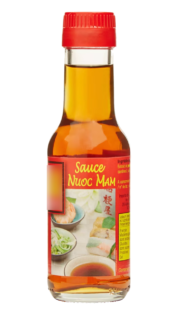
As for storage, soy sauce is a product that keeps very well. Most bottles of soy sauce come with an airtight cap that prevents air from entering, thereby extending its shelf life. It is recommended to store soy sauce in a cool, dark place, away from direct sunlight. Once opened, the sauce should be kept in the refrigerator for optimal preservation.
Culinary Uses and Benefits
Soy sauce is a versatile ingredient that can be used in a wide variety of recipes. It is often used as a marinade for meat, fish, and vegetables, adding a savory and umami flavor. Soy sauce can also be added to broths, stir-fries, and sauces, and even used as a dipping sauce for sushi and dumplings. Its distinct and unique flavor allows it to pair perfectly with many other ingredients, enriching the taste of dishes.
In addition to its delicious flavor, soy sauce also offers numerous health benefits. It can help lower cholesterol, improve digestion, strengthen the immune system, and even reduce the risk of certain types of cancer. However, it should be noted that excessive consumption of soy sauce can be harmful, as it is often high in sodium. It is therefore best to consume it in moderation.
In conclusion, soy sauce is a versatile and flavorful ingredient that adds an umami touch to many dishes. With its ancient origins, nutritional benefits, and wide range of culinary uses, soy sauce is a must-have for lovers of Asian cuisine and culinary adventurers around the world.
Pour aller plus loin, venez découvrir de délicieuses recettes concoctées par les gourmets du site, et qui utilisent la sauce soja !









Follow us on social media