




History
Deep-frying dates back to ancient times, with the earliest documented recipes appearing in Greek and Roman civilizations. However, the technique has spread worldwide and been adapted by many cultures.
It is a cooking method that involves frying food in hot oil, giving it a crispy texture and delicious flavor.
Traditions
Fried foods are an integral part of many culinary traditions around the world.
For example, in Spain, tapas—small portions of food served with drinks—often include fried items such as fried calamari or cod fritters.
In Japan, tempura is a light frying technique used to prepare vegetables and seafood.
In India, pakoras are popular fried dishes made with vegetables coated in a batter made from chickpea flour.
Typical Fried Dishes
Typical fried dishes can vary depending on culture and country. Here are some examples of popular dishes:
Fish and chips
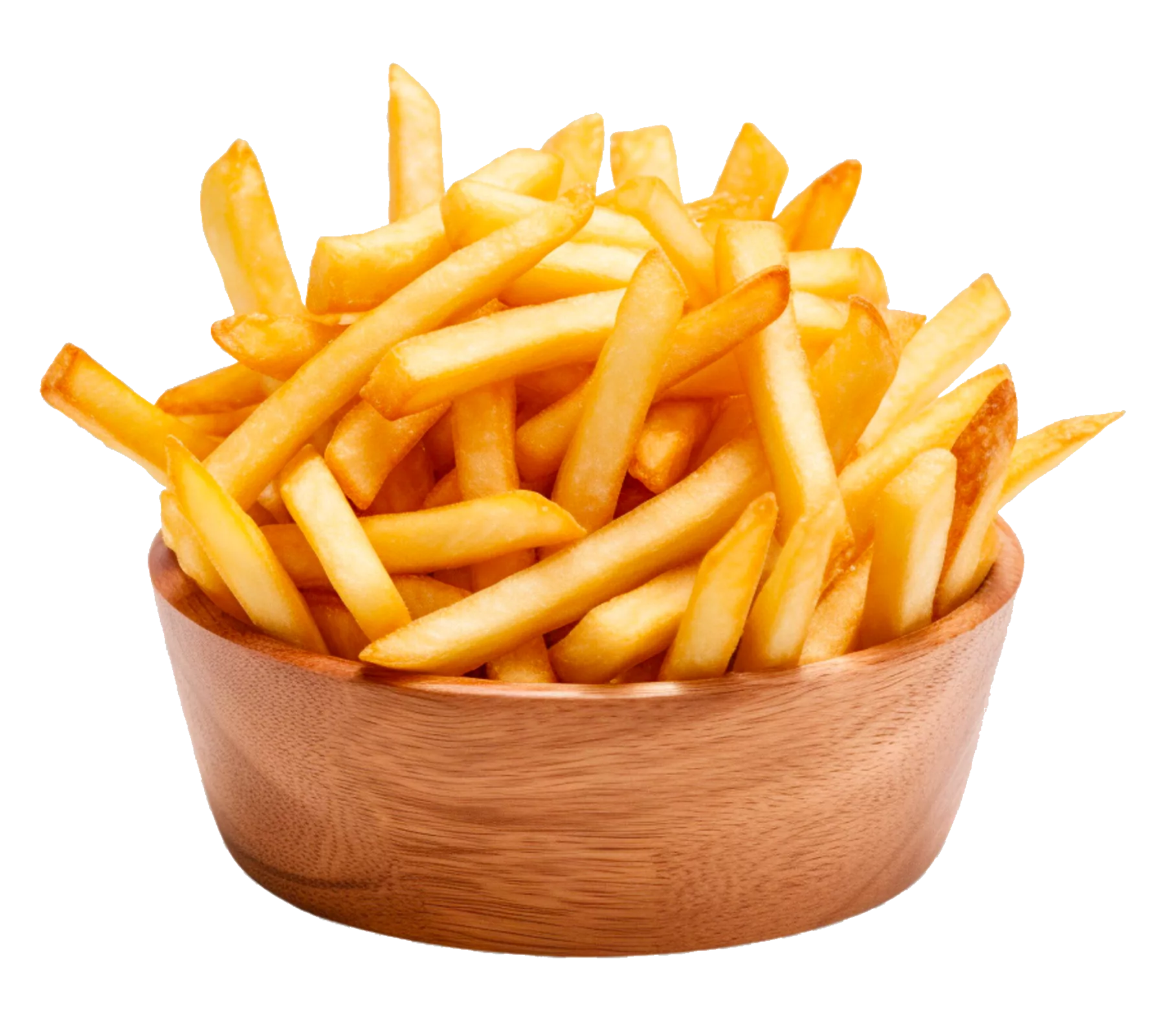
Originating in the United Kingdom, fish and chips is an iconic dish of British cuisine. It consists of fried white fish served with French fries, all accompanied by tartar sauce.
Tempura
Tempura is a Japanese dish in which vegetables or seafood are dipped in a light batter and then fried until golden brown and crispy. They are usually served with a dipping sauce called tempura sauce.
Shrimp fritters
Shrimp fritters are a popular dish in many countries, particularly in Southeast Asia. The shrimp are coated in a batter made from flour and eggs, then fried until crispy and golden brown. They can be enjoyed on their own or with a dipping sauce.
How to Make Perfect Fried Foods
In this article, we’ll explore the secrets to making crispy, light fried foods while discussing their nutritional impact.
Choosing the right oil
Choosing the right oil is crucial for successful frying. Opt for a high-smoke-point oil such as canola, sunflower, or grapeseed oil. These oils withstand heat better, helping to preserve the crispiness of the food.
Cooking Temperature
Maintaining a constant temperature is essential. Use a kitchen thermometer to monitor the oil’s temperature. A temperature of about 180 to 190°C is ideal. Oil that’s too cold will cause excessive oil absorption, while oil that’s too hot risks burning the surface without cooking the inside.
Food Preparation
Carefully dry the food to be fried before placing it in the oil. Excess moisture can cause dangerous splattering and compromise crispiness. A thin coating of flour or cornstarch before frying also creates a barrier that traps moisture.
Do Not Overfill the Fryer
Avoid overloading the fryer to ensure even cooking. Food should be distributed evenly in the oil, allowing each piece to reach the desired temperature uniformly.
Draining
After cooking, place the fried food on paper towels to remove excess oil. This helps maintain crispiness while reducing fat content.
Nutrition
Although fried foods are delicious, it’s important to enjoy them in moderation. Fried foods tend to absorb a significant amount of oil, thereby increasing their calorie and fat content. Opt for occasional consumption and balance your diet with healthier choices.
Conclusion
Fried foods have a rich history and hold an important place in many culinary traditions around the world.
Pour aller plus loin, venez découvrir toutes les recettes inspirées du thème "Fritures" !

Follow us on social media