




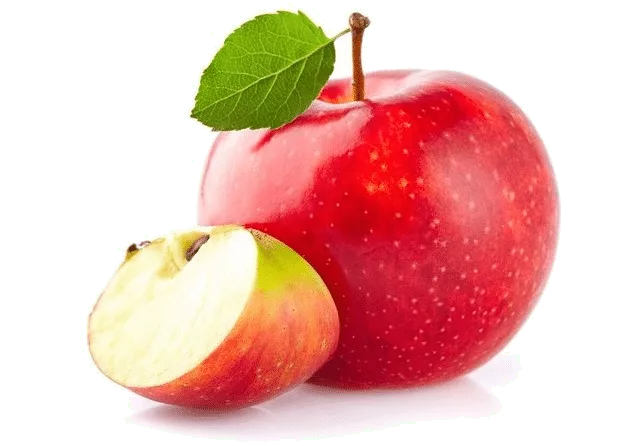
The apple is one of the most iconic fruits in our kitchens. It lends itself to a wide variety of dishes and offers numerous benefits, both in terms of taste and nutrition. In this presentation, we will explore the origins of the apple, its nutritional value, its seasonality, and its various uses in cooking.
Origins of the Apple
Apples have been cultivated for thousands of years. Their exact origin is difficult to pinpoint, but it is believed that they originated in Central Asia and were domesticated by ancient civilizations in the Near East. Since then, many varieties of apples have been developed and are grown all over the world.
The apple, a healthy fruit
Apples are low in calories and rich in fiber and antioxidants. They are also a source of vitamins (particularly vitamin C) and minerals such as potassium. Regular consumption is beneficial for health, particularly for the immune system and digestive health.
Apple season
Apple season runs mainly from September to November, although some varieties are available year-round thanks to preservation or import techniques. However, apples freshly picked in the fall are most prized for their taste and crunch.
Culinary Uses
Apples are a versatile fruit in the kitchen. They can be enjoyed raw, in fruit salads, or simply as a snack. They are also an essential ingredient in many sweet recipes, such as pies, compotes, crumbles, and cakes. Additionally, apples pair very well with savory dishes, such as salads, roasted meats, or cheeses. The culinary possibilities with apples are endless and allow for the creation of sweet, tart, or spicy flavors.
In conclusion, the apple is an essential fruit in the kitchen, offering both a wide variety of preparations and flavors, while also being beneficial to our health. Whether as a dessert, a snack, or a side dish, the apple adds a touch of freshness and indulgence to our plates.
Pour aller plus loin, venez découvrir de délicieuses recettes concoctées par les gourmets du site, et qui mettent la pomme à l’honneur !











Follow us on social media