


Joyeux Gourmet

Cuisine & Joie de Vivre

April Spring
Recettes et plus...
Site Logo
  • Mon Joyeux Gourmet
    Pas encore
    membre ?
    Connexion
    Inscription
  • Recipes
    • Publish my recipe
    • The Cook's Calendar
    • From appetizers to dessert
    • For any occasion
    • Seasonal cuisine
    • Regional Cuisine of France
    • World Cuisines
    • Diets and Nutrition
    • Difficulty level
  • Cookbooks
    • Publish my book critic
    • All books
  • Articles
    • Publish my Post
    • News, Tips, and Tutorials
    • Seasonal ingredients
    • Practical Guides
      • Cooking Temperatures
      • Kitchen Tools and Appliances
      • Cooking Glossary
      • Ingredient Guide
  • Practical Guides
    • Cooking Times
    • Cooking Temperatures
    • Kitchen Tools and Appliances
    • Cooking Glossary
    • Ingredient Guide
  • Welcome
  • Coupons and promotions
  • Login
    • Pas encore membre ? Mot de passe oublié ?
April Spring
  • Skip to primary navigation
  • Skip to main content
  • Skip to primary sidebar
  • Skip to footer
Home » La polenta en cuisine : origines, diététique et préparation

Polenta in the Kitchen: Origins, Nutritional Value, and Preparation

Updated on 18 February 2024 by
Picture of joyeuxgourmetjoyeuxgourmet
Do you like this post ? Share it !
  • Share on Facebook
  • Share...
  • Pin It
  • Share by email

I like
Print
Polenta in the Kitchen: Origins, Nutritional Value, and Preparation

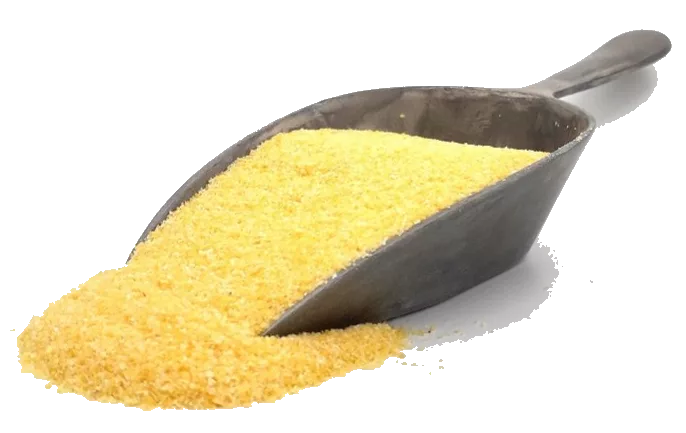
Polenta is a traditional Italian dish made from cornmeal. Its creamy texture and delicious flavor make it a staple of Italian cuisine. In this article, we invite you to discover the origins of polenta, its nutritional value, the season when it is best enjoyed, how to store it, and finally, the many culinary uses of this versatile dish.

Table des matières

Toggle
  • Origins
  • Nutritional Information
  • Season and Storage
  • Culinary Uses

Origins

Polenta originated in northern Italy, where it has been enjoyed for centuries. Originally, it was made from various grains, such as buckwheat or barley. However, over time, it has become primarily associated with cornmeal. Polenta is often considered a simple yet delicious peasant dish that has gained popularity and is now enjoyed around the world.

Nutritional Information

Polenta is naturally gluten-free, making it an excellent option for people with celiac disease or gluten sensitivity. It is also rich in fiber, B vitamins, and minerals such as iron and magnesium. Due to its carbohydrate content, polenta provides sustained energy and can help maintain satiety.

Season and Storage

Polenta can be enjoyed year-round, as it is versatile and pairs well with a variety of dishes and ingredients. However, it is particularly popular during the winter months, when a warm, comforting dish is desired. Cooked polenta can be stored in the refrigerator for a few days, but it solidifies as it cools. Once reheated, it regains its creamy texture.

Culinary Uses

Polenta can be prepared in various ways, using different liquids for cooking such as water, broth, or milk. It can be cooked in a pot, baked in the oven, or even grilled. Polenta can be served as a side dish with roasted meats or grilled vegetables, or as a main course with savory toppings like sautéed mushrooms, melted cheese, or tomato-based sauces. You can also let cooked polenta cool, then cut it into various shapes and grill or fry it.

In conclusion, polenta is a traditional Italian dish made from cornmeal, prized for its creamy texture and delicious flavor. It is versatile in the kitchen, pairs well with various toppings, and is suitable for different seasons. Whether you want to prepare a comforting dish in winter or experiment with new recipes throughout the year, polenta is a versatile and delicious ingredient to add to your culinary repertoire.

Pour aller plus loin, venez découvrir de délicieuses recettes concoctées par les gourmets du site, et qui utilisent la polenta !
Primary Sidebar

Nutritional Information

For 100g of polenta:

  • Calories : 123.0 kcal
  • Proteins : 2.5 g
  • Lipids : 0.7 g
  • Saturated : 0.1 g
  • Carb : 27.0 g
  • Sugar : 0.5 g
  • Salt : 0.0 g

A few seasonal items…

It’s peak harvest or production season for these ingredients… so take this opportunity to discover all the recipes that showcase them!

  • Image de pink garlic
    pink garlic
  • Image de green asparagus
    green asparagus
  • Image de Shiitake mushroom
    Shiitake mushroom
  • Image de white asparagus
    white asparagus
  • Image de chives
    chives
  • Image de cabbage
    cabbage

All seasonal ingredients

You might also be interested in these articles...

  • Duck in the Kitchen: Origins, Nutritional Value, and Preparation

    Duck in the Kitchen: Origins, Nutritional Value, and Preparation

  • Shrimp in the Kitchen: Origins, Nutritional Value, and Preparation

    Shrimp in the Kitchen: Origins, Nutritional Value, and Preparation

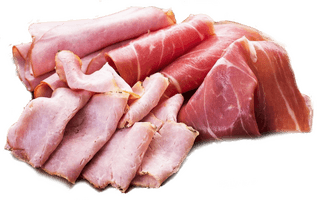
  • Ham in the Kitchen: Origins, Nutritional Value, and Preparation

    Ham in the Kitchen: Origins, Nutritional Value, and Preparation

More ideas

Footer

Useful Links

  • Contact us
  • Legal Notice
  • Privacy Policy
  • Partners

Install the JGourmet app

QR code d'installation de l'appli Joyeux Gourmet sur Android Google Play

Follow us on social media

  • Follow Joyeux Gourmet on Facebook
  • Follow Joyeux Gourmet on Pinterest
  • Follow Joyeux Gourmet on Instagram
  • Follow Joyeux Gourmet on Youtube

All rights reserved©  2015–2026 · Joyeux Gourmet · Log in

Before submitting your article for publication, please make sure it complies with the règles de modération des publications.
Articles that do not meet the requirements will not be published.

Votre carnet de recettes vous attend

Votre carnet de recettes vous attend !

❤️
Sauvegardez vos coups de cœur
🛒
Liste de courses automatique
🔔
Nouvelles recettes en exclusivité
G
N
L
+
gigi, nonocuisine et plus de 0 autres ont déjà rejoint Joyeux Gourmet !
Créer mon compte gratuit Inscription en 1 minute
Déjà membre ?
Se connecter
Je veux en savoir plus sur Joyeux Gourmet