




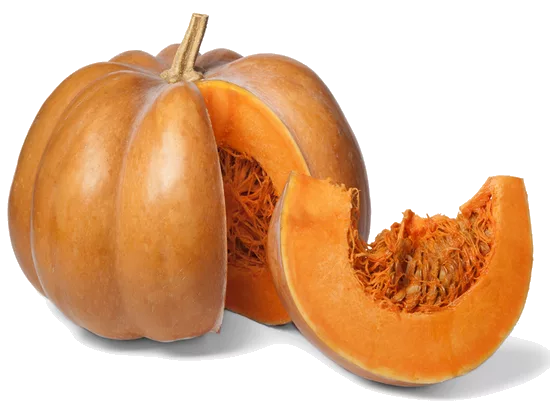
Squash, a round vegetable with a tough skin, is a versatile ingredient in the kitchen, offering a variety of delicious flavors and textures. Whether served as a side dish or used in sweet recipes, squash adds a flavorful and nutritious touch to our meals. Let’s explore the origins, nutritional value, season, and culinary uses of this incredible vegetable.
Origins of the Squash
Squash is native to the Americas and has been cultivated by indigenous peoples for thousands of years. It was introduced to Europe during the discovery of the New World, and since then, it has become an integral part of many cuisines around the world.
The Different Varieties
The most common varieties of squash found in our markets are:
Nutmeg Squash (Cucurbita moschata)
Appearance:
- The nutmeg squash is round to oval in shape.
- Its skin is usually beige or orange with green stripes.
- The flesh is sweet, dense, and orange in color.
Taste and Uses:
- The flesh of the nutmeg squash is sweet and aromatic.
- It is ideal for soups, purées, pies, and desserts.
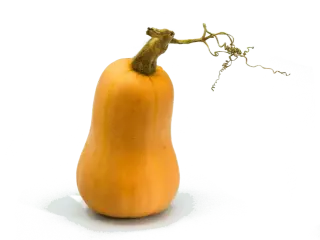
Butternut Squash (Cucurbita moschata):
Appearance:
- The butternut squash has an elongated shape and a narrow neck.
- Its skin is beige to pale orange and smooth.
- The flesh is bright orange and creamy.
Taste and Uses:
- Butternut squash has a sweet, nutty flavor.
- It is perfect for soups, roasts, purées, and baked dishes.
Spaghetti Squash (Cucurbita pepo):
Appearance:
- Spaghetti squash has an oblong, cylindrical shape.
- Its skin is pale yellow to cream-colored.
- When cooked, the flesh breaks apart into long strands resembling spaghetti.
Taste and Use:
- The flesh of spaghetti squash has a slightly crunchy texture and a mild flavor.
- It is often used as an alternative to pasta in low-carb or gluten-free dishes.
- It can be served with various sauces, such as tomato sauce or pesto.
Spaghetti Squash in a Balanced Diet
Spaghetti squash is an excellent source of fiber, vitamins A, C, and E, as well as minerals such as potassium, magnesium, and calcium. It is also low in calories, making it an ideal choice for those looking to maintain a healthy weight. Additionally, spaghetti squash is rich in antioxidants, some of which have been linked to a reduced risk of certain chronic diseases.
Squash Season
The squash season generally runs from September to December, although some varieties may be available year-round. During these fall months, market stalls are brimming with different types of squash, offering a wide variety of choices for cooking enthusiasts.
Culinary Uses
Squash can be used in many ways in the kitchen. It can be roasted in the oven to make a delicious, tender side dish, or turned into a creamy soup for colder days. Winter squashes, such as butternut squash, can be used as a base for purées or gratins. And of course, who can resist a homemade pumpkin pie during the holiday season?
In conclusion, squash is a versatile and delicious vegetable that offers numerous health benefits. Its creamy texture and mild flavor make it an essential ingredient in many tasty and nutritious recipes. So, the next time you see a squash at the market, don’t hesitate to pick one up and let your culinary creativity run wild!
Pour aller plus loin, venez découvrir de délicieuses recettes concoctées par les gourmets du site, et qui mettent la courge à l’honneur !





Follow us on social media