




In a vegetarian or vegan diet, one of the main concerns is to ensure a balanced protein intake. Unlike animal products, plant proteins don’t always contain all the essential amino acids in the right proportions. Yet one simple rule is all it takes for a complete, nourishing meal: combine legumes and cereals. This ancestral combination is both healthy and economical, allowing you to reap the full benefits of a balanced plant-based diet.
If you’re wondering how to combine cereals and legumes in a vegetarian diet, this article is going to give you some detailed pointers. But first, let’s look at the physiological reasons behind the benefits of this combination.
🌾 Why combine legumes and cereals?
Leggumes such as lentils, chickpeas, beans or broad beans are rich in plant proteins, but are low in methionine, an essential amino acid. Cereals (rice, wheat, corn, oats, quinoa, etc.), on the other hand, contain little lysine, but provide the missing methionine. By combining them in the same meal or over the day, we reconstitute a complete protein profile, equivalent to that of a food of animal origin.
This complementarity is one of the keys to a balanced vegetarian diet: it helps avoid deficiencies while enjoying the diversity of flavors and textures these foods offer. Contrary to popular belief, it’s not necessary to consume both at exactly the same time; amino acids naturally complement each other throughout the day.
🍛 Des associations naturelles et gourmandes
For millennia, many cultures have naturally combined legumes and cereals in their culinary traditions. In Indian cuisine, lentil salad is accompanied by basmati rice. In the Middle East, chickpea-based houmous is eaten with pita bread. In Latin America, red beans go perfectly with rice, while in North Africa, couscous is often enriched with chickpeas or broad beans.
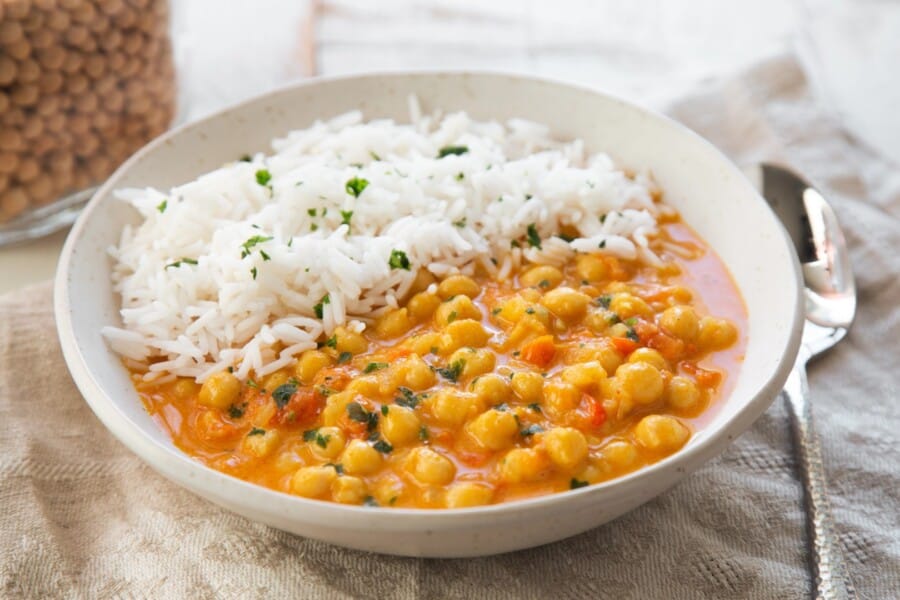
These examples show how easy it is to compose complete dishes without resorting to meat or eggs. A simple lentil and quinoa salad, vegetarian chili or rice and split pea cakes can be enough to cover the protein requirements of a balanced meal. This diversity also makes it possible to adapt dishes to each season, by varying textures and flavors.
💪 Multiple nutritional benefits
The combination of legumes and cereals is about more than just protein. Together, they offer a remarkable nutritional synergy. Pulses are rich in fiber, iron, magnesium and potassium, while wholegrains provide complex carbohydrates for long-lasting energy and group B vitamins. This combination contributes to satiety, blood sugar regulation and good muscle and nerve function.
Furthermore, these foods are naturally low in saturated fats and cholesterol-free. They therefore promote a balanced and protective diet, suitable for the prevention of diabetes, hypertension and cardiovascular disease. Their high fiber content also promotes digestive well-being and helps maintain a healthy weight.
🌍 A sustainable and accessible approach
Associating pulses and cereals also means choosing a sustainable diet. These two food families require few resources to grow, and have a much lower carbon footprint than animal products. Legumes, in particular, naturally enrich soils with nitrogen, reducing the need for chemical fertilizers. By choosing local and seasonal varieties, it’s possible to reconcile ecology, health and pleasure without compromising on taste.
🍽️ En pratique
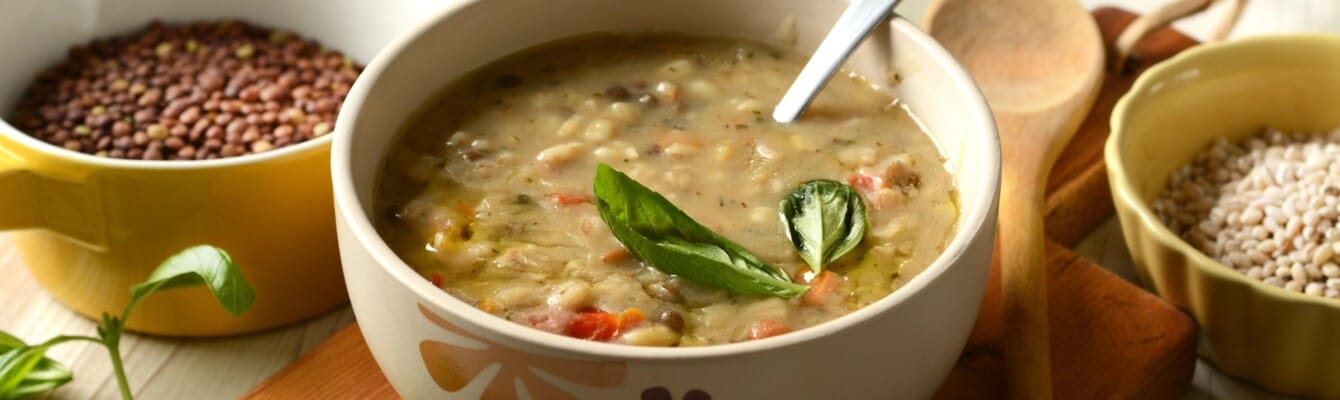
In vegetarian cooking, all you have to do is let your creativity do the talking. Wholegrain rice with green lentils, couscous topped with chickpeas, or white bean soup thickened with bulgur illustrate this complementarity perfectly. Even breads made with legume flour, such as chickpea or lentil breads, balance meals while diversifying textures.
The possibilities are endless: by varying associations, we avoid monotony while enjoying a complete protein intake and a rich, tasty plant-based diet.
🌿 In a nutshell
Assembling pulses and cereals means combining balance, pleasure and sustainability in a single meal. This simple alliance meets essential protein needs while providing fiber, minerals and quality energy. It’s a habit accessible to all, promoting health, satiety and respect for the environment. In a vegetarian or vegan diet, it’s the key to a plate that’s at once gourmet, complete and balanced.
We hope this article has helped you understand why and how to combine cereals and legumes in a vegetarian or vegan diet. If you want to get practical, check out all the recipes vegetarian or vegan suggested by the 😋
gourmets







Follow us on social media