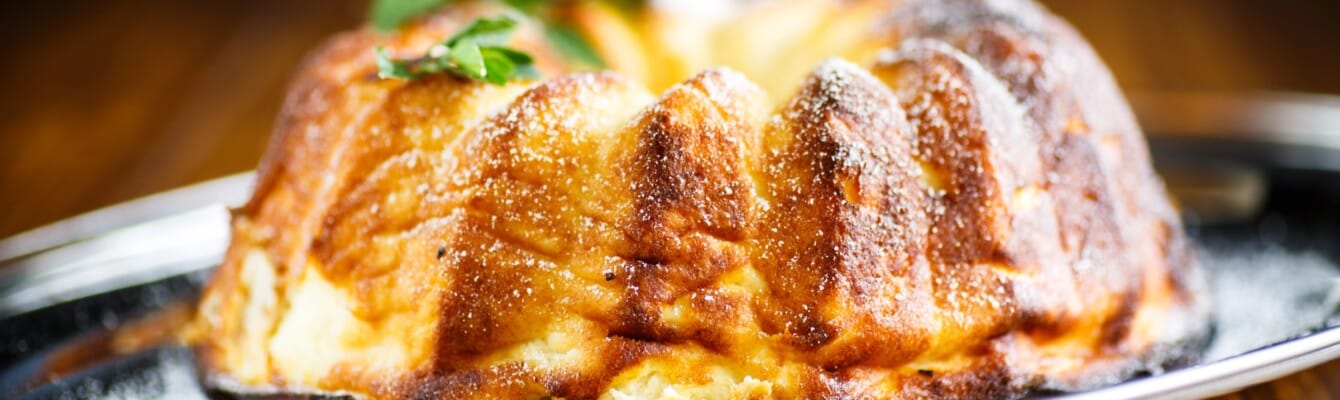





Grand Marnier is an iconic orange liqueur in French cuisine, renowned for its rich aromas and remarkable versatility in the kitchen. Made from cognac and bitter orange essences, it stands out for its depth of flavor, which far surpasses that of traditional orange liqueurs. Used judiciously, it adds warmth, complexity, and elegance to both desserts and certain savory dishes.
Origin and Identity of Grand Marnier
Created in 1880 by Louis-Alexandre Marnier-Lapostolle, Grand Marnier was born from the bold idea of combining a noble spirit, cognac, with the aromatic freshness of bitter orange. This pairing gave rise to an orange liqueur with a distinct character, which was quickly adopted by top restaurants. The Marnier-Lapostolle house, based in Neauphle-le-Château in the Yvelines region, still embodies this French expertise today, while relying on oranges from the Caribbean and cognacs selected in Charente.
Aromatic Profile and Characteristics
Grand Marnier offers a rich aromatic profile, dominated by candied orange and zest, supported by warm notes of vanilla, caramel, and wood. Its rounded texture and aromatic intensity explain why it is used in small quantities, to flavor dishes without ever overpowering them. Its relatively high alcohol content enhances this sensation of warmth on the palate and allows it to hold up well during cooking.
Grand Marnier in Sweet Dishes
In pastry making, Grand Marnier is a top choice for adding an elegant, lingering citrus note.
It delicately flavors creams, ganaches, and cake batters, while also being perfect for soaking cookies and sponge cakes.
Its pairing with chocolate is particularly appreciated, as the bitterness of the orange balances the richness of the cocoa. It also shines in fruit desserts, whether it’s pan-seared fruit, citrus salads, or jams, where it intensifies the flavors while adding a subtle bitterness.
Iconic recipes like Crêpes Suzette perfectly showcase its potential, as the flambéing process releases the aromas of orange and cognac while softening the alcoholic kick.
A more subtle use in savory cooking
Although primarily associated with desserts, Grand Marnier can also be used in savory cooking when measured precisely. It can be used to deglaze a sauce, enrich an orange-based dish, or add a bittersweet touch to a marinade.
It pairs particularly well with poultry, duck, or certain white meats, especially in sweet-and-salty recipes where its citrus notes balance the richness.
Cooking, flambéing, and reduction
When cooked, Grand Marnier retains much of its aromatic character, even though some of the alcohol evaporates. Used in a reduction or added at the end of preparation, it yields sauces, syrups, or glazes with intense, well-structured flavors.
Flambéing, meanwhile, remains one of the most spectacular and effective techniques for highlighting its aromas, while adding a much-appreciated visual dimension.
Our Selection
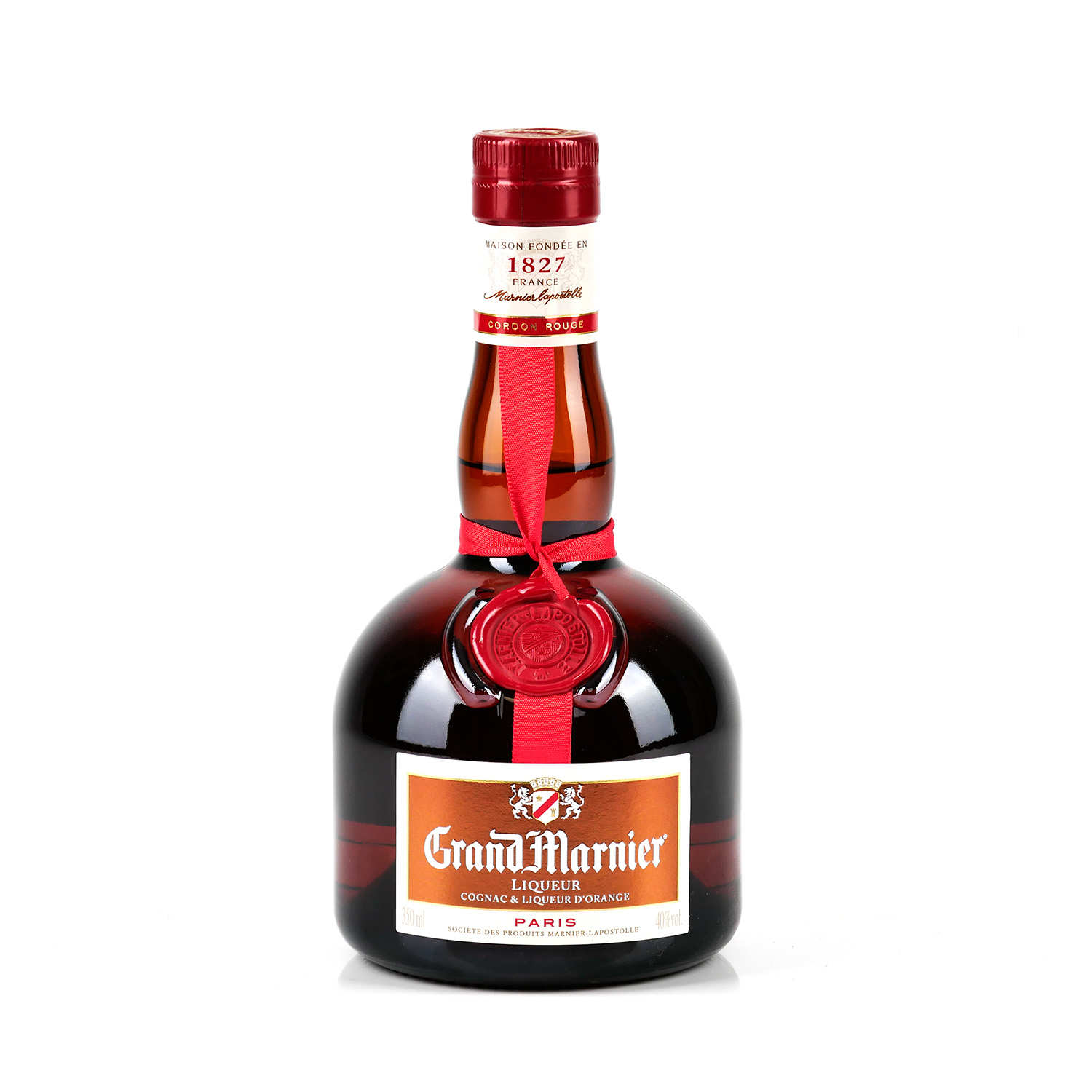
Below you will find a selection of Grand Marnier bottles.
 chez
chez
- chez
 chez
chez
Grand Marnier and other orange liqueurs
What sets Grand Marnier apart from other orange liqueurs is primarily its cognac base. Whereas triple sec or Cointreau are made with a neutral spirit, Grand Marnier offers a more pronounced complexity and a warmer finish, which explains why it is preferred in fine dining rather than simply for flavoring.
Give it a try!
Grand Marnier stands out as an ingredient with character, capable of transforming a recipe with just a well-measured touch. In pastry, it elevates desserts by adding depth and elegance, while in savory cooking, it offers interesting creative possibilities for those who appreciate balanced flavors. Used with discernment, it remains a valuable ally for anyone wishing to enrich their dishes with a refined aromatic signature.
Pour aller plus loin, venez découvrir de délicieuses recettes concoctées par les gourmets du site, et qui utilisent le grand marnier !



Follow us on social media