




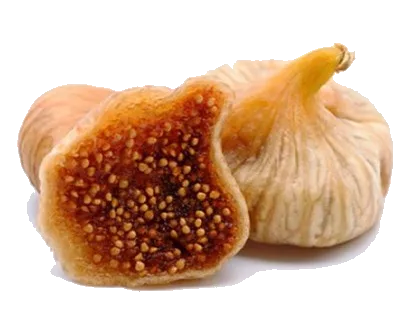
Dried figs are a delicious and versatile ingredient in the kitchen. Whether as a healthy snack, an ingredient in sweet recipes, or a garnish for savory dishes, dried figs add a sweet flavor and a soft, chewy texture to any dish. In this guide, discover everything you need to know about dried figs.
Origins of Dried Figs
The fig is a fruit that dates back to ancient times and is highly prized in many cultures around the world. Dried figs are made by sun-drying fresh figs or dehydrating them. This drying method concentrates the sweet flavors and extends the shelf life of the figs.
Nutritional Value of Dried Figs
Dried figs are rich in dietary fiber and are an excellent source of energy. They also contain essential vitamins and minerals such as vitamin B6, calcium, potassium, and magnesium. Thanks to their high fiber content, dried figs promote healthy digestion and help regulate blood sugar levels.
Season and Availability
Fresh figs are generally available from July to September in the Northern Hemisphere. Dried figs, on the other hand, can be found year-round and are an excellent way to enjoy the benefits of figs even when they’re out of season. You can find dried figs at grocery stores, farmers’ markets, or specialty organic shops.
Culinary Uses
Dried figs can be used in a variety of sweet and savory recipes. They add a touch of sweetness and an interesting texture to breakfast cereals, muffins, energy bars, and cookies. They can also be added to salads, meat or poultry dishes, or even used to make sweet-and-sour sauces or chutneys.
In conclusion, dried figs are a versatile ingredient that adds a sweet flavor and a chewy texture to many dishes. Explore different ways to incorporate dried figs into your recipes to add a delicious and nutritious touch to your meals.
Pour aller plus loin, venez découvrir de délicieuses recettes concoctées par les gourmets du site, et qui mettent la figue séchée à l’honneur !







Follow us on social media