
I’d always heard of crêpes Suzette, but never really knew what they were… A special batter? A mysterious filling? So I set out to discover this recipe, and after doing quite a bit of research and a ...
End of content
End of content

Here you'll find all the recipes that call for a kitchen scale—carefully crafted with love by the site's foodies!
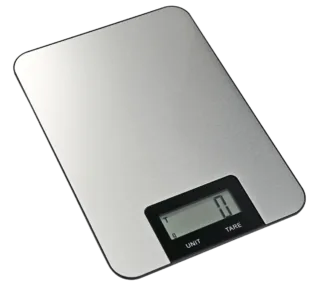
A kitchen scale is an essential tool for weighing ingredients accurately. It helps you maintain proper proportions, ensures recipes can be replicated, and improves the consistency of results, whether you’re baking or cooking savory dishes. Unlike approximate measurements (cups, spoons), a scale provides reliable and consistent results.
The scale is used to:
In baking, it becomes indispensable. Precision determines texture, rise, and the final result.
Mechanical scales operate without batteries or electricity. They use a spring or a counterweight.
Advantages:
Limitations:
It is suitable for simple uses and traditional cooking.
Electronic scales are the most common type today. They provide accurate digital readings, often to the nearest gram.
Key features:
It is suited for modern kitchens and demanding baking.
Some scales include:
They are designed for dietary and technical use.
The scale offers:
A kitchen scale isn’t just a gadget. It’s an essential tool if you want to follow a recipe rather than just improvising with no guarantee of the outcome.
Whether mechanical or electronic, simple or smart, it ensures accuracy, consistency, and control in the kitchen.
I’d always heard of crêpes Suzette, but never really knew what they were… A special batter? A mysterious filling? So I set out to discover this recipe, and after doing quite a bit of research and a ...
End of content
End of content

Follow us on social media